At Galileo Global Education, we believe our responsibility extends far beyond awarding degrees.
Every day, our teams are committed to upholding five core principles that ensure the quality and impact of our programs.
Academic Quality, ensured through rigorous and continuous quality assurance processes
Employability, measured through dedicated and clearly defined indicators
Innovation, the backbone of adapting our pedagogical approaches to the evolving world of work
Student Experience, designed to be demanding, inclusive, human-centered, and sustainable
Mental Health & Equal Opportunities

At Galileo Global Education, academic quality lies at the heart of our mission and underpins the trust placed in us by our students, their families, and our partners around the world.
With more than 65 schools, 110 campuses, and 300,000 learners across 20 countries, we carry a unique responsibility: to guarantee the same high standards of excellence, rigor, and support across the diversity of our institutions and disciplines.
Our strength lies in our ability to combine a global vision of academic quality with local implementation, tailored to the specificities of each country, each campus, and each educational community.
From Paris to Milan, from London to São Paulo, from Mexico City to Nicosia, we share a common conviction: academic quality is the foundation of our students’ success and a key condition for creating a positive and lasting impact on society.


Our schools and universities are regularly audited and accredited by leading national and international authorities, ensuring the highest standards of academic quality.
AACSB, AMBA, EQUIS, and EFMD accreditations attest to the academic excellence and global standing of several of our business schools, including emlyon business school and Paris School of Business.
Several of our institutions are featured in leading international rankings—including the QS World University Rankings, the Shanghai Ranking, and the Financial Times—reflecting their academic excellence and global influence.
Our schools hold accreditations and recognitions from leading national and international bodies, including QAA (United Kingdom), ENQA (Europe), BAC (United Kingdom), FIMPES (Mexico), SINAES (Costa Rica), as well as the World Federation for Medical Education for health-related programs.
Several of our institutions have been awarded the Great Place to Work® certification, reflecting the importance we place on the experience and well-being of both our employees and our students.
Academic quality goes beyond the awarding of degrees. It is also measured by the relevance of the skills developed and the tangible impact our programs have on the professional journeys of our graduates.
Our programs are underpinned by officially recognized qualifications, whether through certifications listed in France’s National Directory of Professional Certifications (RNCP) or through equivalent ministerial accreditations at the local level.


Across our practices, we adhere to the most rigorous accreditation and certification standards, which require:
regular evaluation of our courses and teaching practices,
systematic monitoring of our graduates’ professional integration,
and continuous improvement processes implemented at the level of each school.
Since 2023, Harris Interactive has conducted an annual quantitative and qualitative survey on behalf of the Group, involving 4,000 students, the majority of whom are apprentices. The aim is to accurately assess how well our educational commitments are fulfilled and to measure student satisfaction across twenty distinct criteria, enabling us to continuously enhance the student experience.
The study is carried out in a fully independent, neutral, and scientifically rigorous manner.


Harris interactive for GGEF, 24-25 data

Galileo Global Education prepares students for the jobs of the future by aligning its programs with the current and emerging needs of the labor market.
Through strong partnerships and the involvement of industry professionals, we equip our students to contribute meaningfully to society while maximizing the return on their educational investment.
Weighted average based on the number of GGE students worldwide in 24-25; UCIMED figures 2022

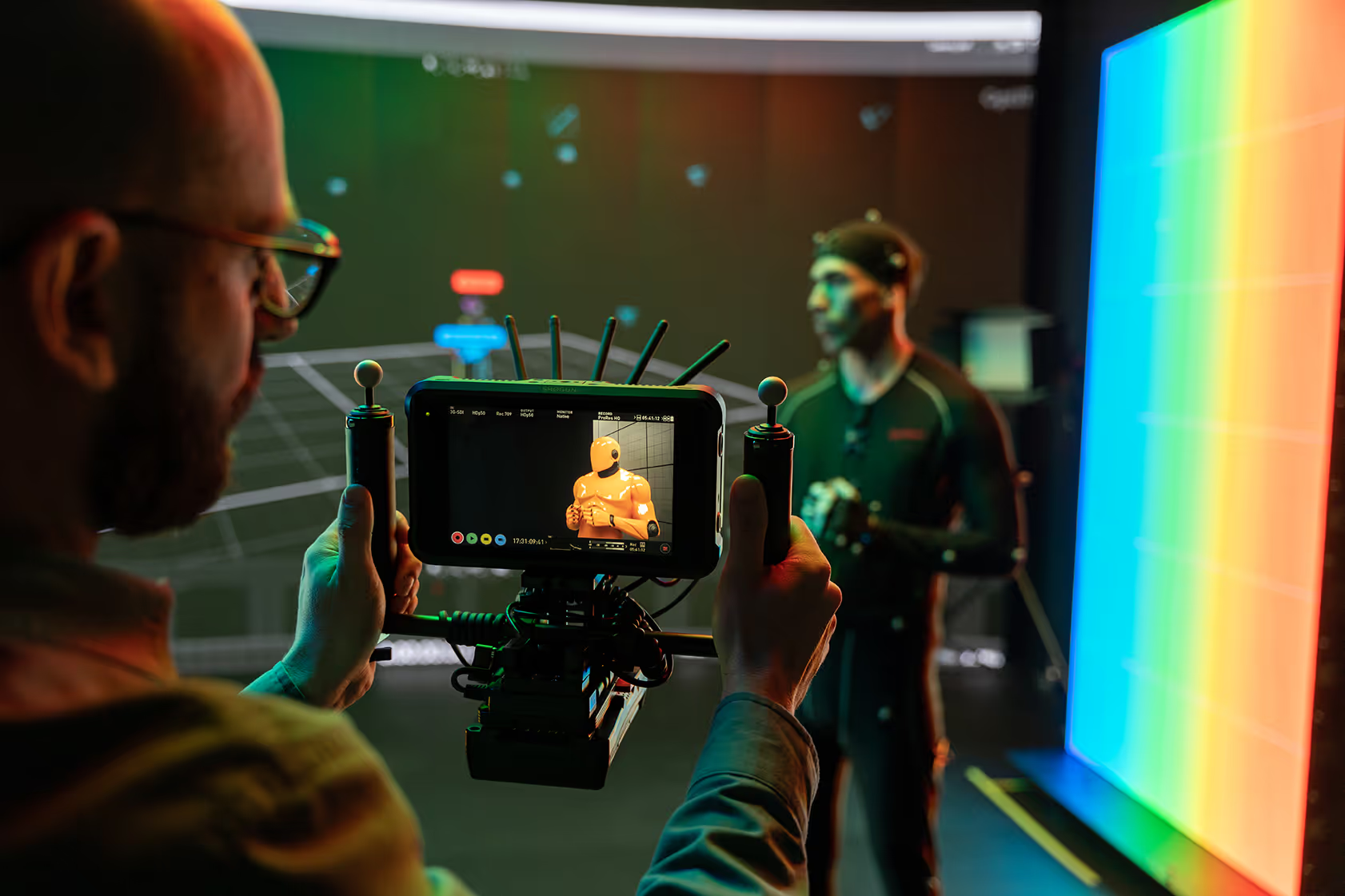
At Galileo Global Education, technological innovation is never disconnected from real-world practice.
It is conceived as a tangible lever, applied in multiple ways to enhance pedagogical effectiveness, personalize learning pathways, and support student success.

Studi (France) has recently introduced an AI-powered chatbot that provides students with personalized support 24/7, answering questions related to the organization of their studies and helping them focus their efforts on areas for improvement.Educational bots are currently being tested, in line with Studi’s mission to promote lifelong learning—particularly for working professionals engaged in career transitions or reskilling pathways.
To offer students greater flexibility, AKAD (Germany) has developed Interactive Learning Kits (ILKs) that engage learners through rich multimedia content. In 2024, these interactive courses were awarded a Comenius Medal, recognizing their pedagogical excellence.A survey conducted among 110 participants highlights the positive impact of ILKs on student motivation, learning outcomes, and learner autonomy.


Source: Akad 2024
With SCICONUM (Cognitive and Digital Sciences), Galileo Global Education is transforming educational practices by leveraging cognitive science, digital technologies, and artificial intelligence to strengthen student engagement and academic success.
Research in cognitive science has demonstrated that learning is a complex process that requires sustained attention, active learner engagement, regular reinforcement of knowledge, and constructive feedback on errors. The SCICONUM program integrates these principles and applies them to the educational use of digital tools and AI, grounded in scientific evidence.
Launched in June 2024, the program has already certified 32 academic leaders and 248 faculty members, with the ambition to train 1,600 educators by 2027 and 100% of Galileo France faculty by 2030.
At Galileo Global Education, we see artificial intelligence not merely as a tool, but as a catalyst for rethinking future skills, enriching teaching methods, and enhancing the learner experience.
We are progressively integrating AI solutions across our operations to improve organizational efficiency, learning effectiveness, and the overall quality of our educational offerings. Each school develops its own AI strategy, tailored to its culture and context—recognizing that while AI is widely discussed, its actual uses remain unevenly developed.
A 2024 study conducted by Macromedia (Germany), analyzing 10,318 student projects and 590 dissertations, revealed that only 2.4% of students make extensive use of AI, while 28% choose not to use it at all, even when its use is mandatory in certain programs.
In response, Macromedia has established clear guidelines and deployed comprehensive training programs to ensure the ethical, responsible, and meaningful use of AI. This holistic approach has led Macromedia to be recognized as Germany’s most innovative private university, particularly for its leadership in artificial intelligence.


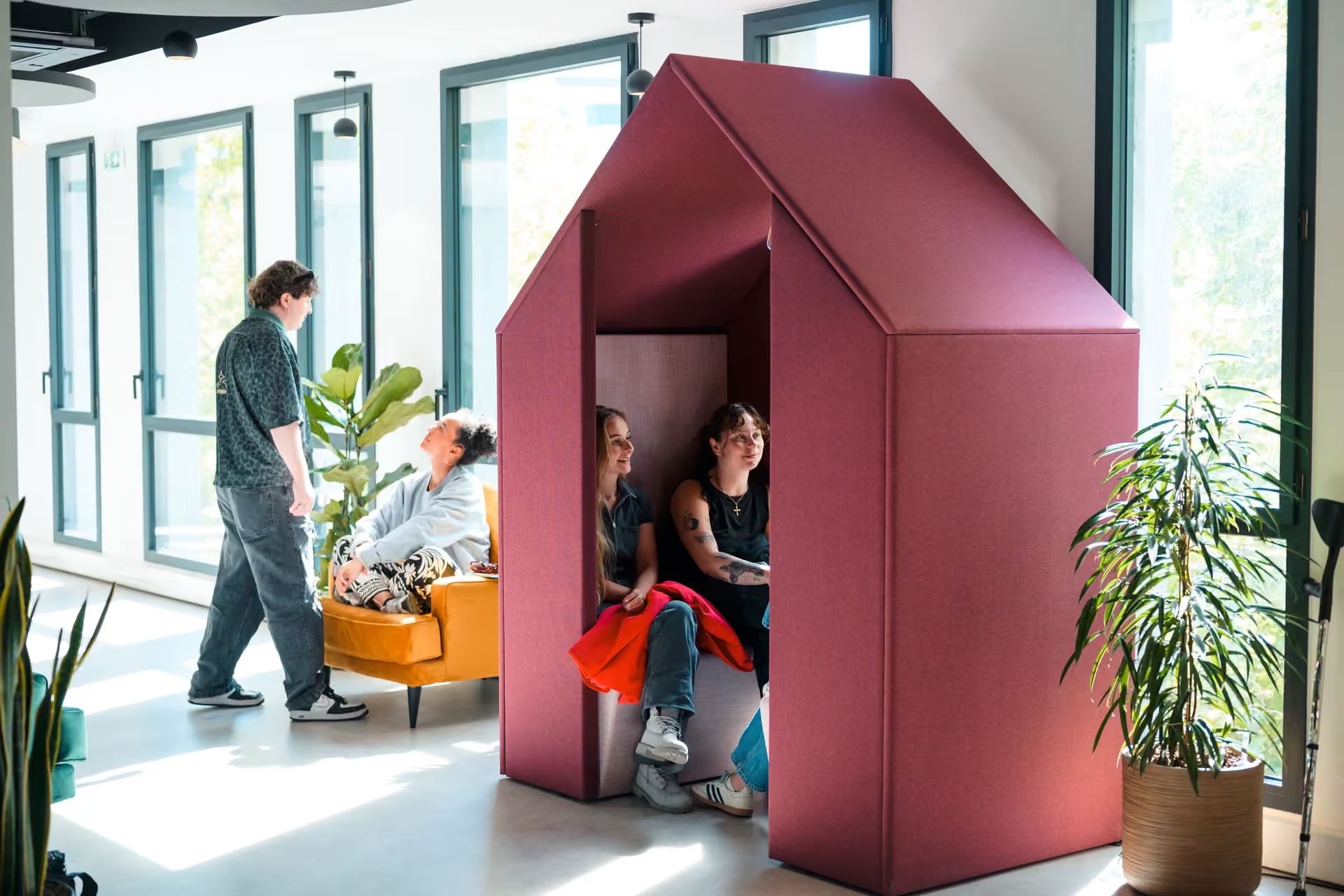
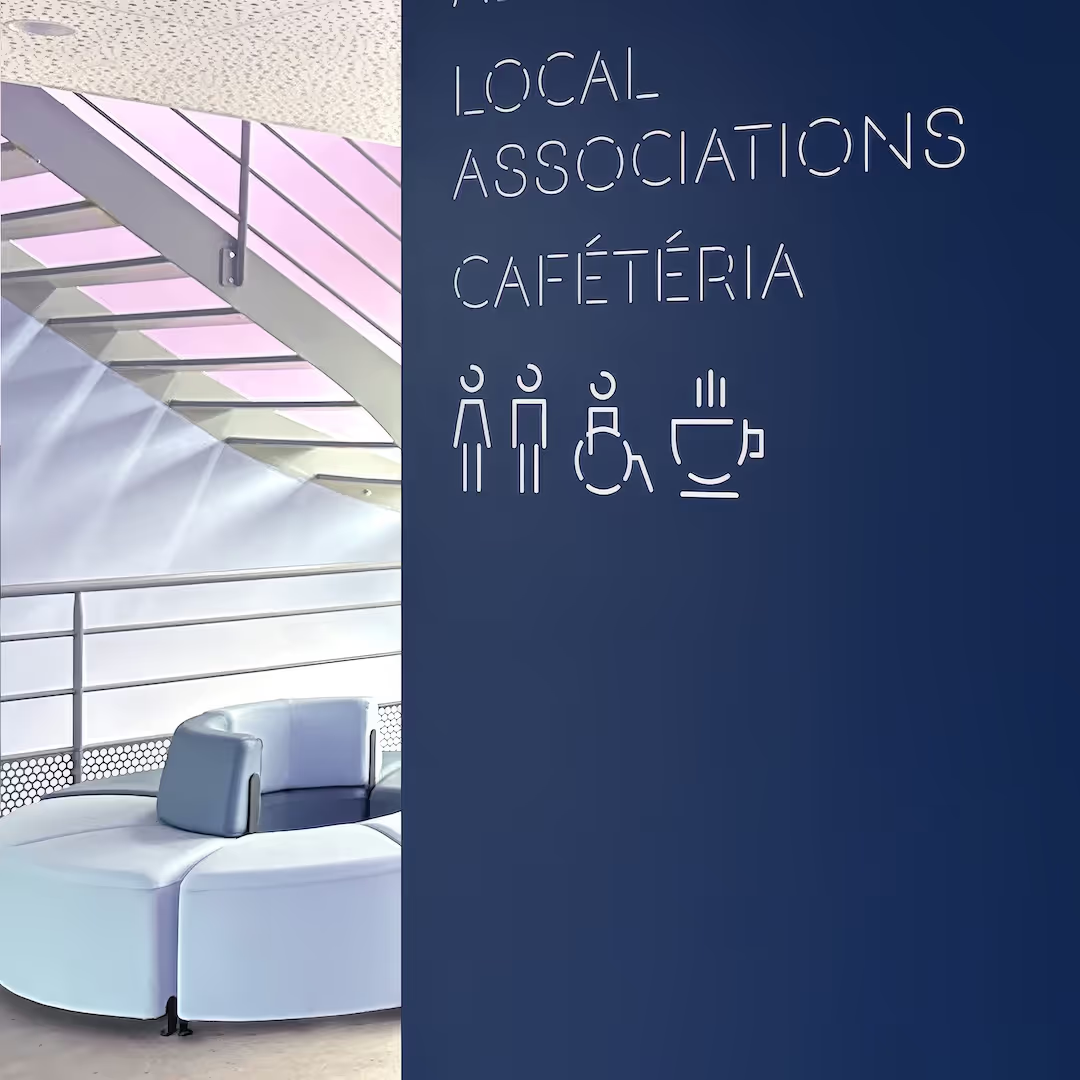
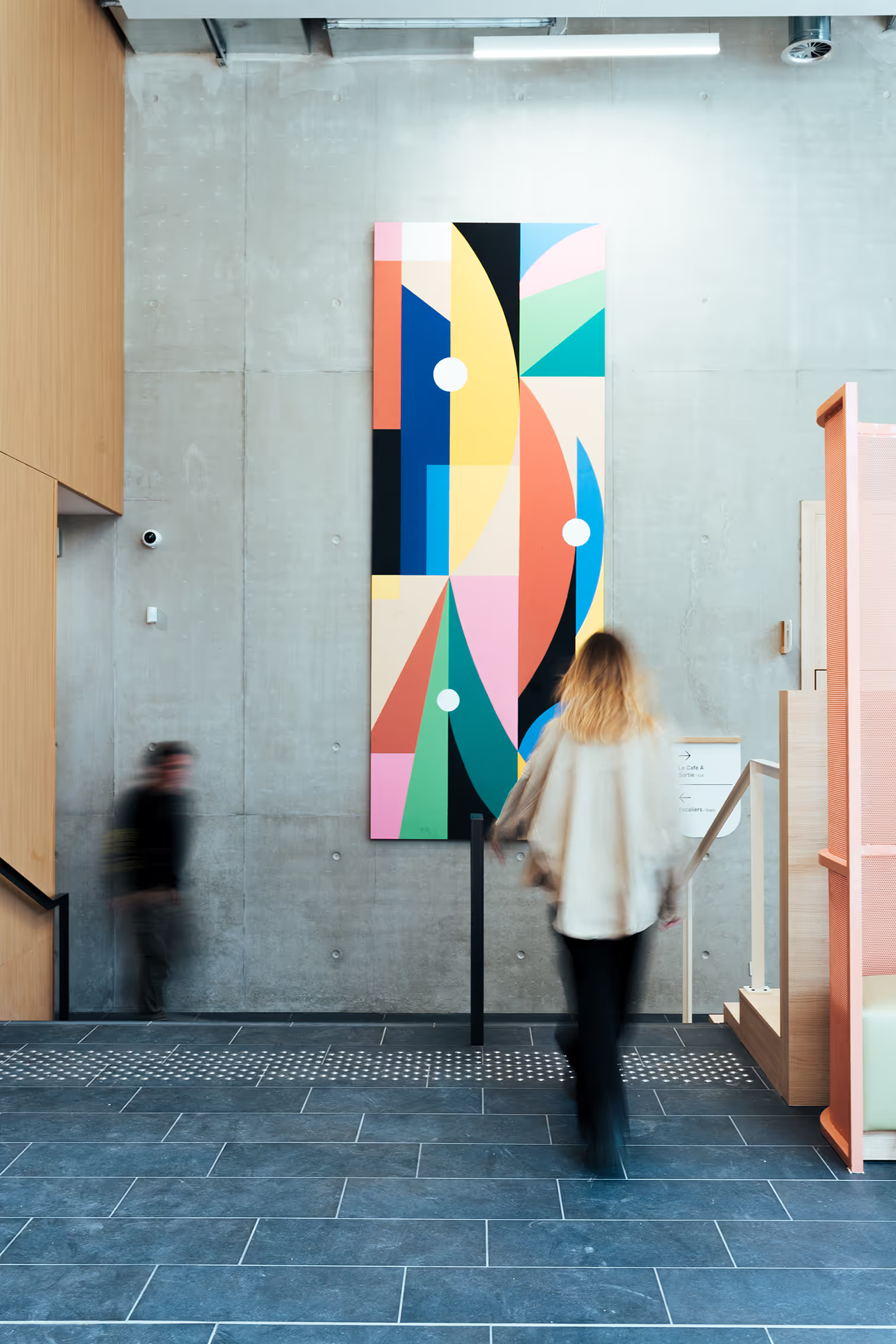
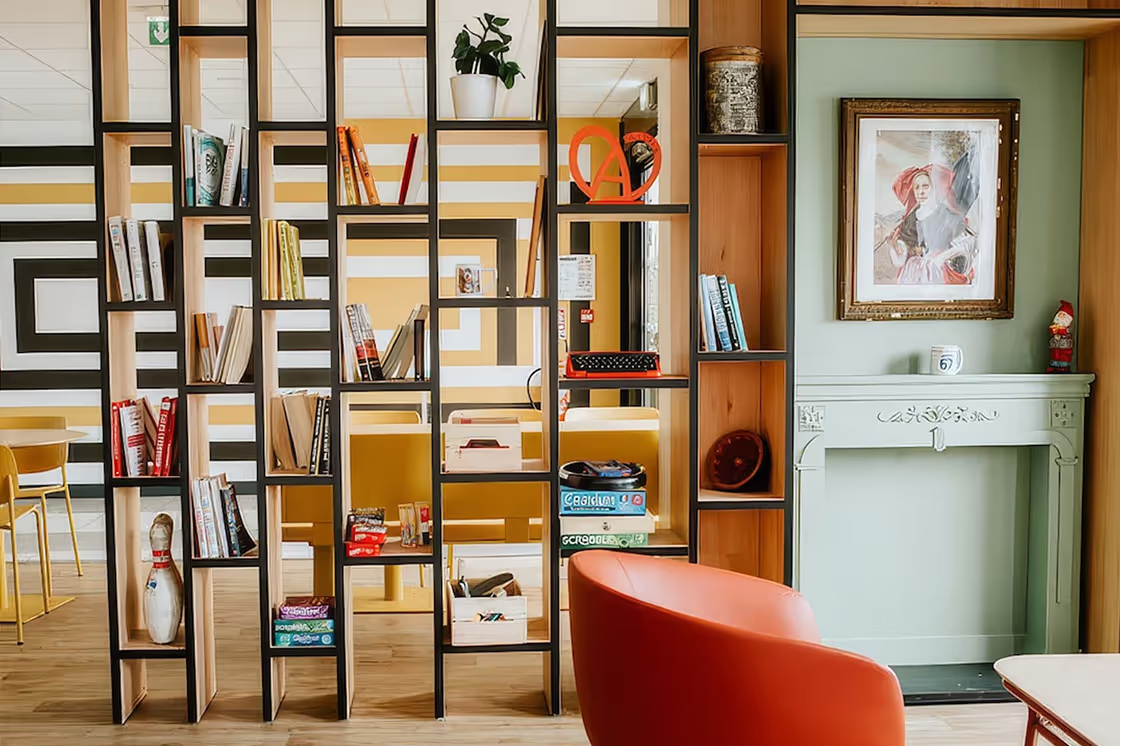
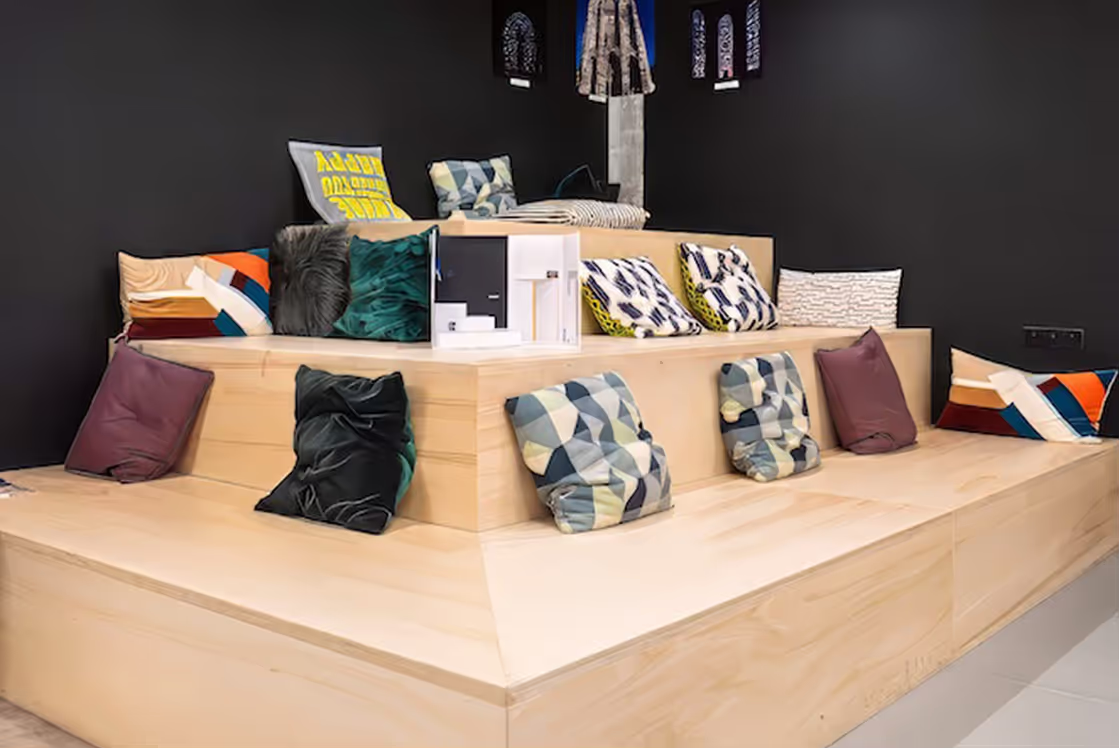
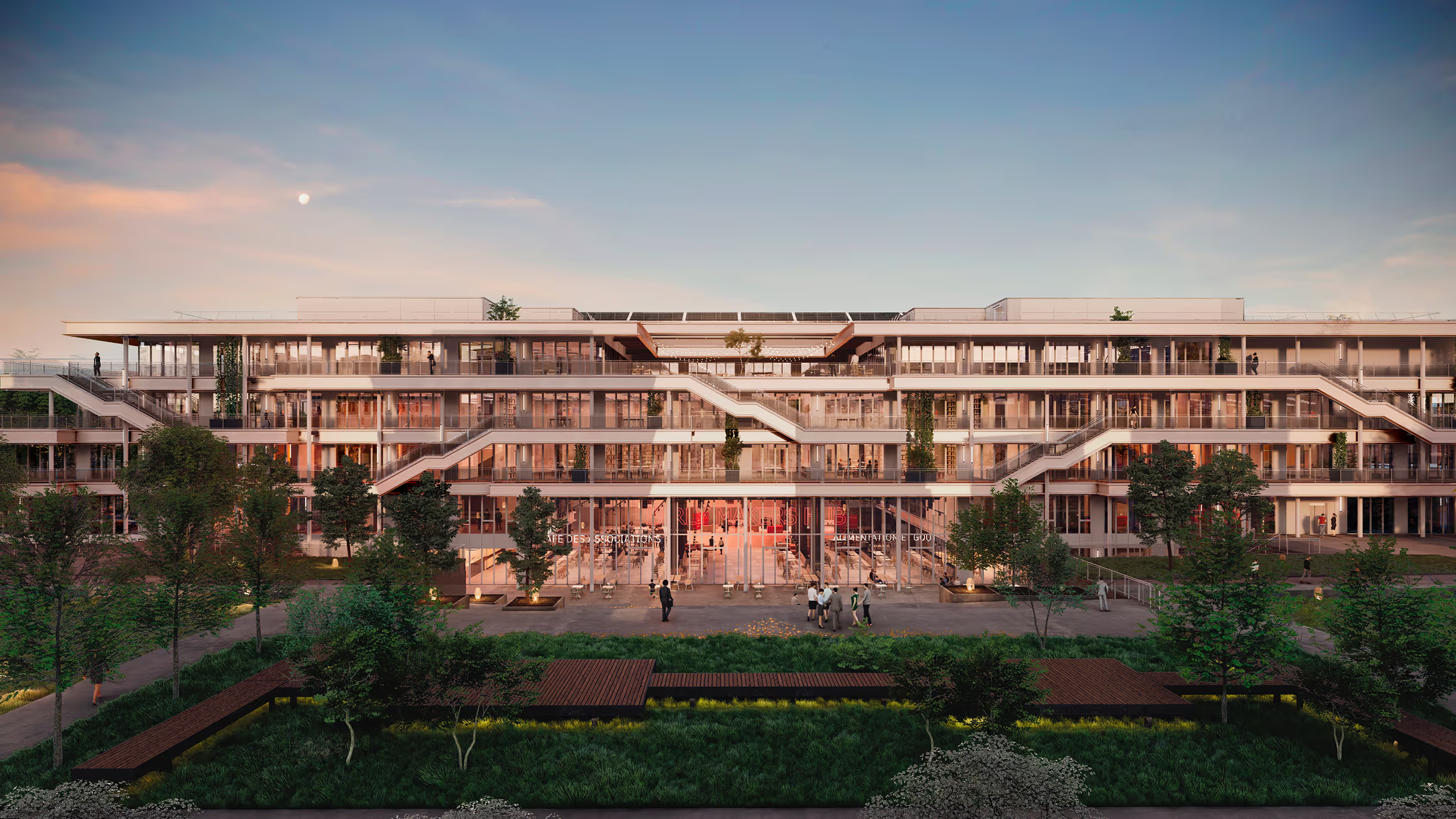
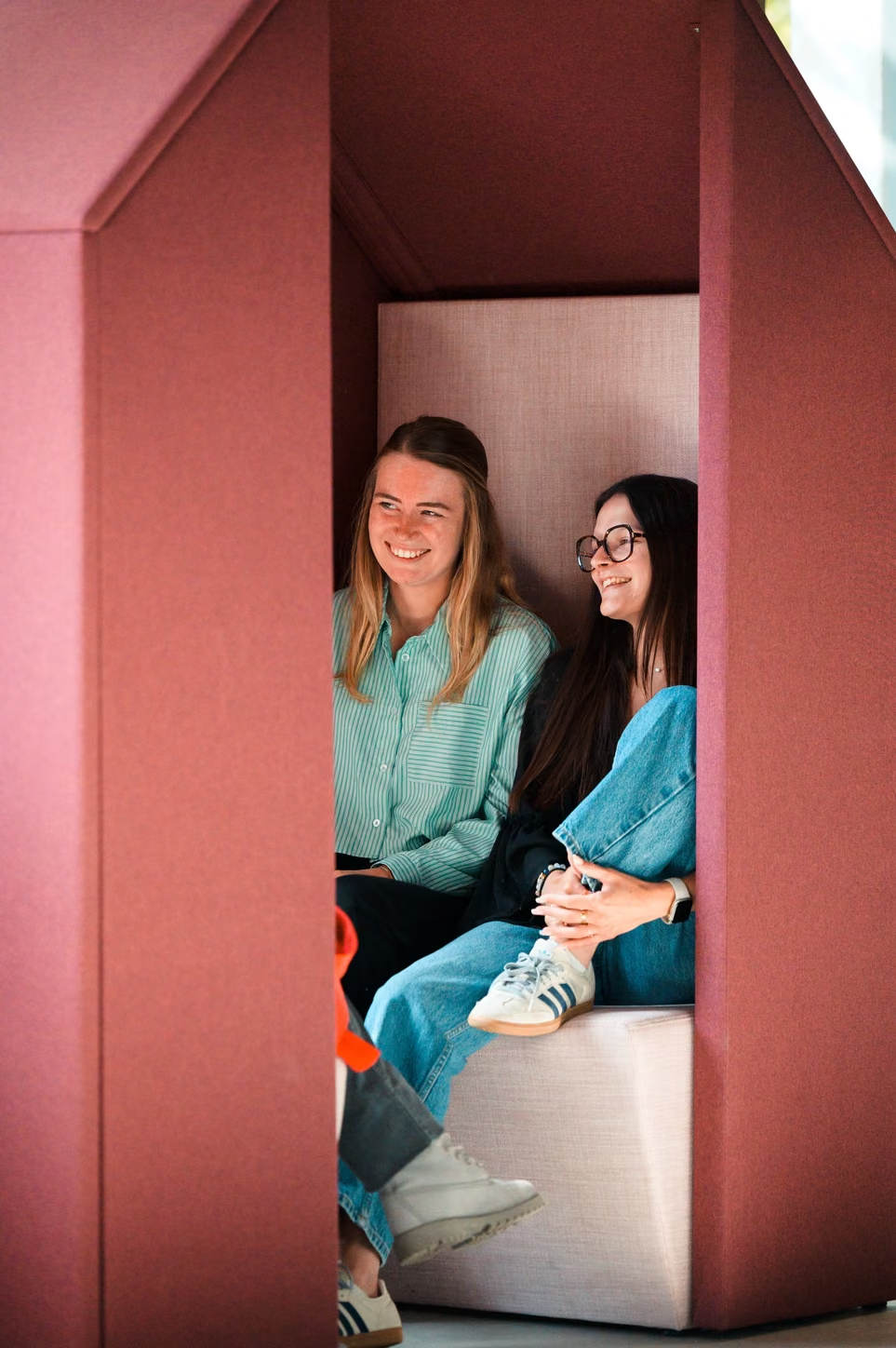
At Galileo Global Education, we believe that campuses are not only places to learn, but also places to thrive. A campus is a living environment where students spend their everyday lives—often over several years.
As a pioneer in this field, Galileo conducts in-depth research into student needs, drawing on internal expertise as well as external partnerships to continuously enhance the campus experience.

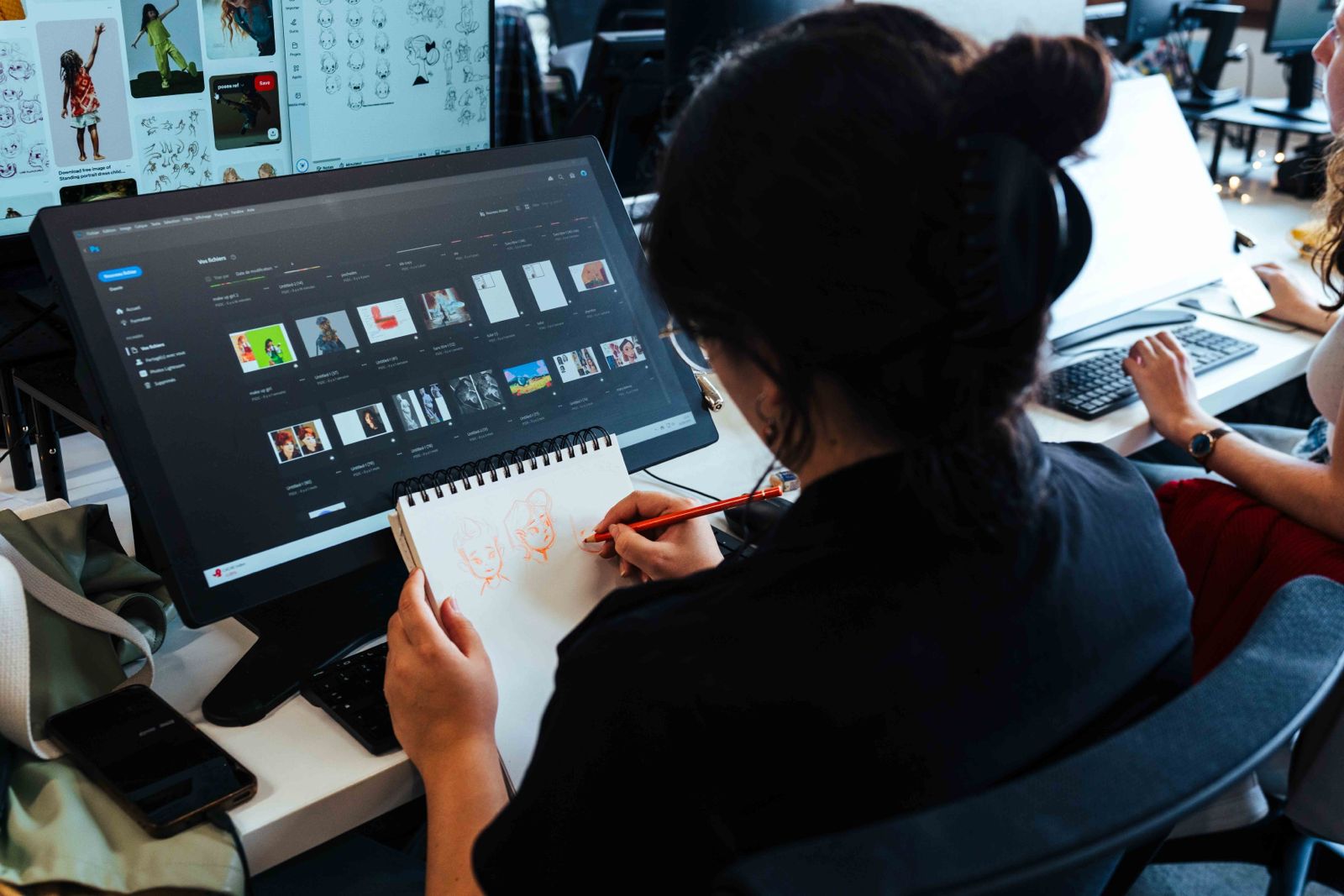
Understanding student behaviors and expectations enables us to imagine services and improvements that transform learning and campus life—making each experience more distinctive and meaningful.
This commitment goes far beyond architecture alone. Our campuses are designed to combine well-being and environmental responsibility, through concrete actions and demanding standards.

At Galileo Global Education, inclusion, mental health, and equity are core priorities.
89% of our schools implement active health and safety policies, and our systems cover a broad range of initiatives, all guided by the same conviction: making education a lever for emancipation that is accessible to all.

Coline.care
This free, confidential, and personalized support service, based on the patient-expert model, is designed to assist students and employees facing any form of disability or illness—whether visible or invisible.
HuCare
This free, anonymous psychological support platform, available 24/7, connects students and employees with professional psychologists who provide attentive listening and support during difficult periods—whether personal or professional.
HuCare figures 24-25, Coline Care figures 24-25.
“No Thanks, Michel” : This program is designed to train our employees on workplace harassment—helping them recognize inappropriate behavior, respond effectively, and promote respect at work, in line with the ethical framework governing our relationships with students.
“No Means No” : Developed for students, this nationwide awareness campaign—created by the agency Les Papillons de Jour with the support of Cours Florent pour les Voix—has been rolled out across all our schools in France. Its goal is to inform, educate, and mobilize our community to prevent and combat all forms of harassment, violence, and discrimination.

Galileo Global Education implements a comprehensive disability inclusion policy built around several key levers.
This policy relies on a network of trained and supported disability referents in each school, systematic awareness-raising among students, individualized assessments of needs and learning accommodations, as well as dedicated tools and partnerships to support students with disabilities in their transition to employment.
In 2026, a dedicated employment support program will be launched, combining group workshops, individual coaching, and an online platform.
Source: GGEF
Through our partnership with the Article 1 association, students can benefit from free, personalized support provided by a volunteer mentor. The aim is to help students better organize their studies, revise effectively, and prepare for professional integration.This tailored support covers guidance and orientation, confidence-building, and a better understanding of the codes and expectations of the world of work.
Source: GGEF

National statistics reveal a significant social divide in access to higher education in France. According to official data from the Ministry of Higher Education, only 35% of young people from low-income backgrounds access higher education between the ages of 18 and 24, compared with 90% of those from the most affluent families.
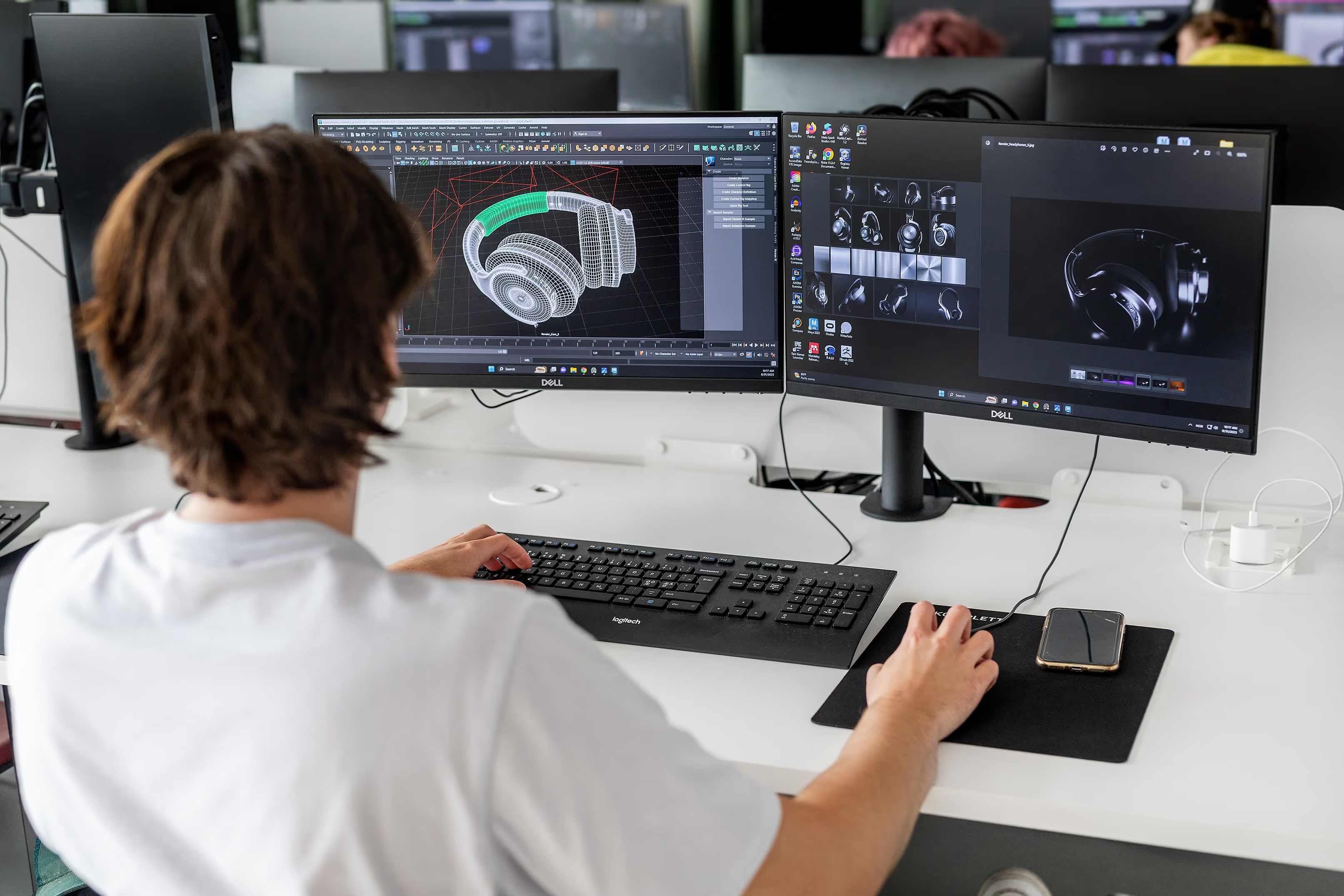
This 55-point gap highlights a profound phenomenon of educational exclusion affecting young people from modest or vulnerable backgrounds. The sociological composition of higher education further confirms this imbalance: more than one-third of students come from families of senior executives, while only 12% have working-class parents.
This severe under-representation of working-class students reflects the persistence of systemic barriers to higher education.In response, Galileo Global Education is committed to widening access to education through the Accessibility to Tuition Without Fees (ASSF) program. This initiative opens the doors of our institutions to young people who are traditionally distant from higher education, particularly those from modest or vulnerable backgrounds, including:
Young people supported by Child Welfare Services, one of the most educationally excluded populations
Young people experiencing forced migration, including refugees, asylum seekers, and beneficiaries of temporary protection (notably from Ukraine)
Young people facing economic hardship, including high-level CROUS grant recipients (levels 5 to 7), residents of priority urban areas (QPV), and young people from non-taxable households
Through ASSF, Galileo affirms its conviction that education must remain a powerful lever for social mobility and emancipation, accessible to all.

Evally Vandal
Level 6 scholarship holder, in the first year of the Bachelor's degree at LISAA Fashion
The partnership with Galileo has opened new perspectives for young people from Social Assistance for Children (ASE) whom we support in the pursuit of post-baccalaureate studies. For us, this partnership is a lever for equal opportunities, which gives young people the opportunity to consider the future not from their limits, but from their aspirations.

Justine Laborde
Project director at the partner association Compter sur Demain

Since 2022, Galileo Global Education has been actively working to reduce its environmental impact. Following foundational actions to limit carbon emissions linked to the Group’s direct and indirect energy consumption, particular focus has been placed on emissions generated by mobility.
Sustainable mobility is actively encouraged for both employees and students through concrete initiatives, including the installation of electric vehicle charging stations at UCIMED, public transport subsidies at Macromedia, and the development of bicycle parking facilities at IPETH.

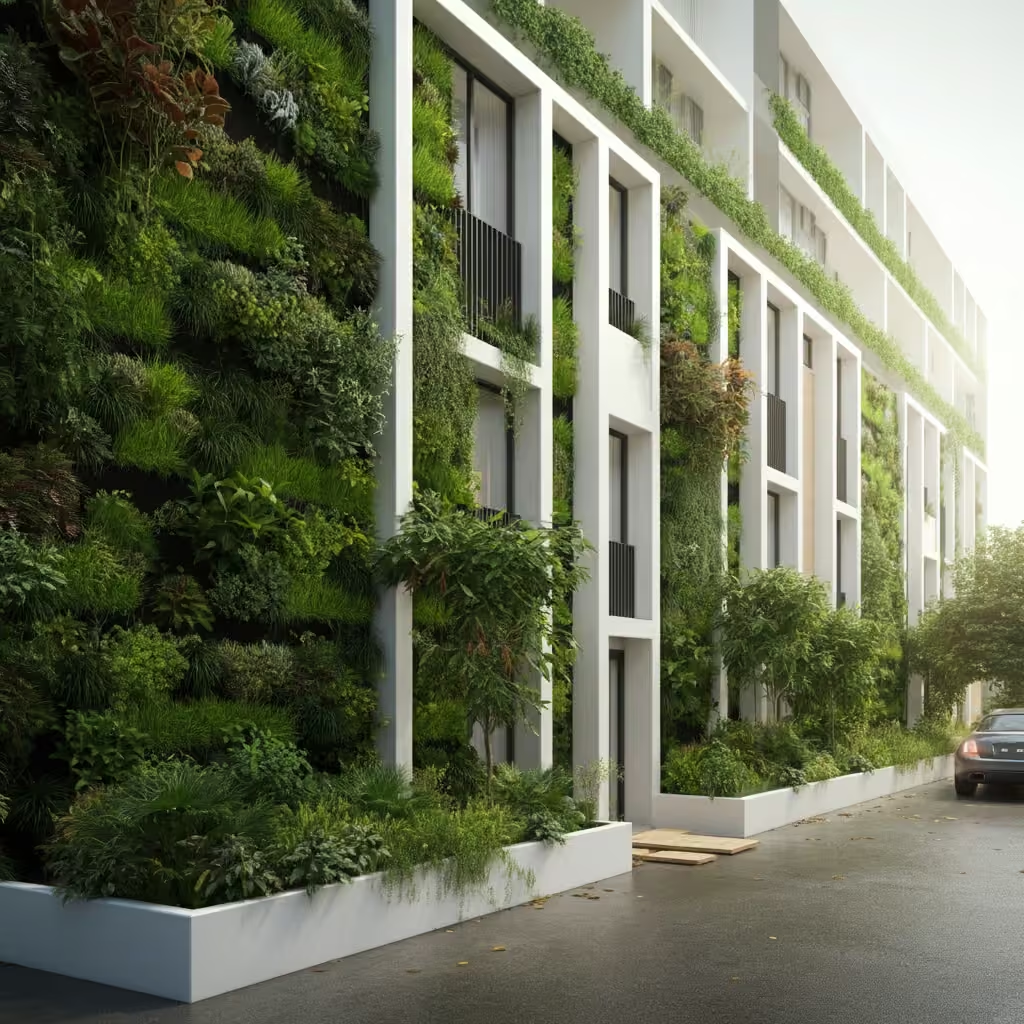
From a passive-energy campus in Lyon, to innovative cooling systems in London, and a green façade in Shanghai, our campuses contribute to the transformation of cities that consume less energy and offer more generous green spaces.
This commitment goes beyond intention and is recognized through numerous national and international certifications, including:
HQE, BREEAM, and ISO 14001 for Studi, TAI, European University Cyprus, NABA, and Domus Academy
LEED Gold certification for the Dubai campus
BREEAM certification for Istituto Marangoni Paris
R2S, OsmoZ, and E+C certifications for the Nuances campus in Lyon
Weighted average based on the number of GGE students worldwide in 24-25